Low-Impact Exercise That’s Easy on the Joints
Affiliate Disclosure:
Some links in this article are affiliate links. If you click and make a purchase, SeniorSafetyToday.com may earn a small commission at no extra cost to you. We only recommend products we believe support the safety, independence, and well-being of seniors.
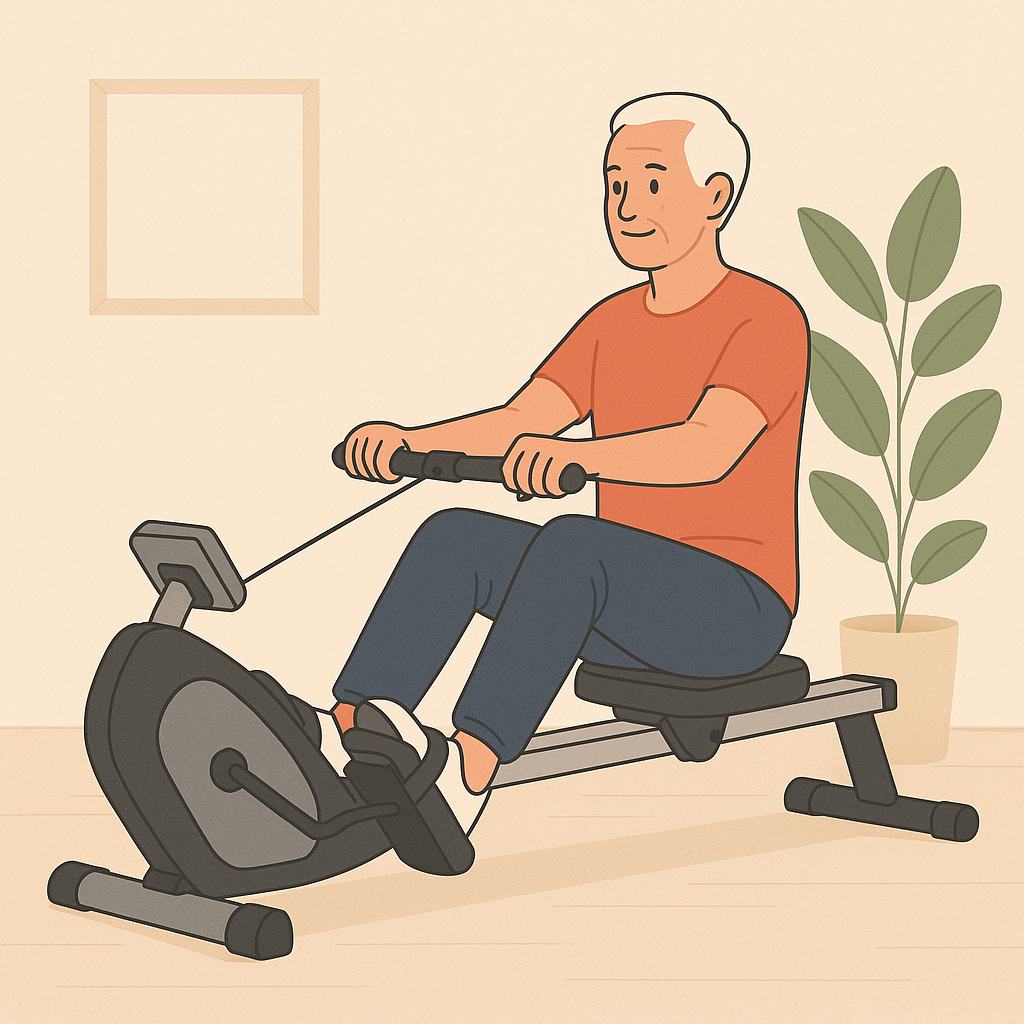
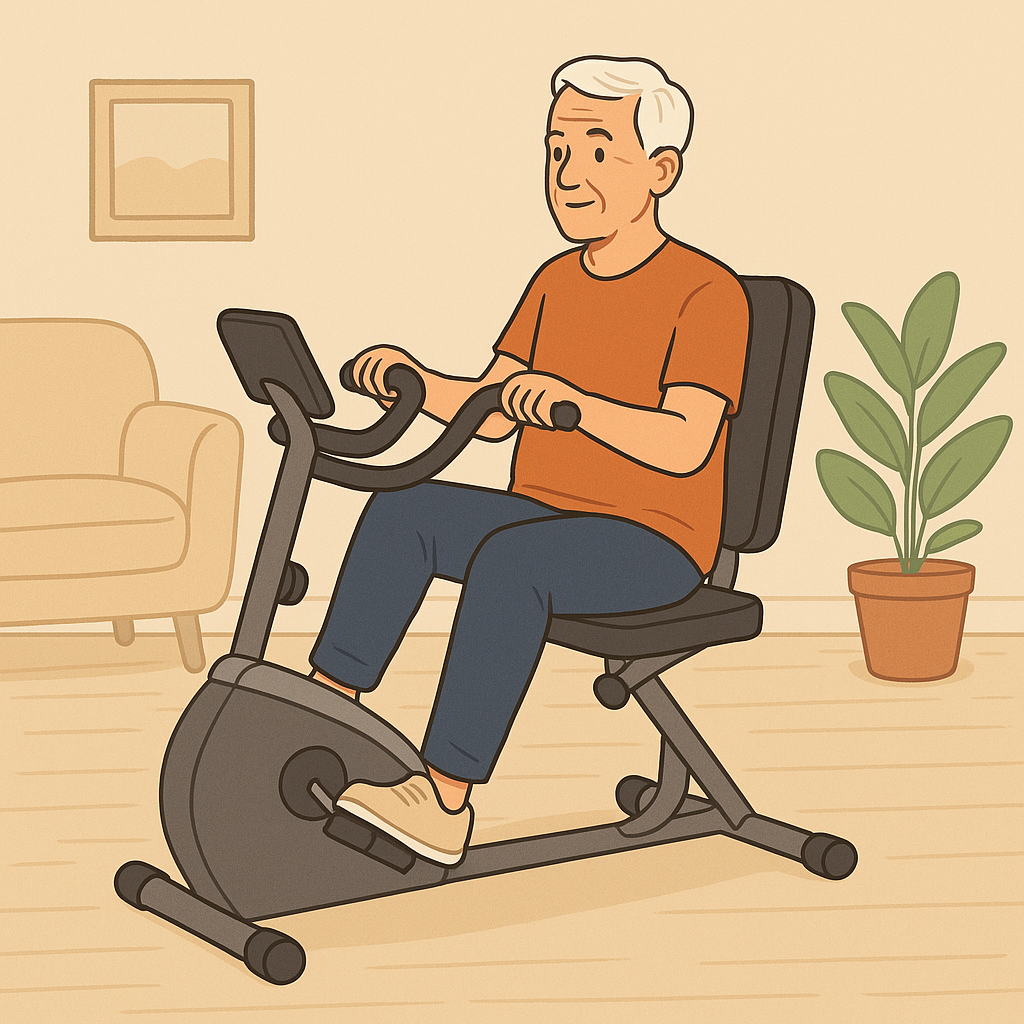
Recumbent bikes are a favorite among seniors looking for a low-impact, seated way to improve cardiovascular health and leg strength. These bikes offer back support, comfortable seating, and smooth pedaling—ideal for those with joint pain, balance issues, or mobility limitations. And when space is limited, compact recumbent bikes provide all these benefits in a more manageable size.
In this guide, we highlight the top compact recumbent bikes for seniors, what features to prioritize, and how to use them effectively at home.
Contents
- Why Recumbent Bikes Are Great for Seniors
- Types of Recumbant Bikes for Seniors in Compact Spaces
- Key Features to Look for in a Recumbent Bike
- How to Use a Compact Recumbent Bike Effectively
- Sample Recumbent Bike Routine for Seniors (15–20 Minutes)
- Safety Tips for Seniors Using Recumbent Bikes
- Final Thoughts
- FAQ: Compact Recumbent Bikes for Seniors
- What is the best compact recumbent bike for seniors with joint pain?
- Can seniors use recumbent bikes safely at home?
- How often should seniors use a recumbent bike?
- Are compact recumbent bikes good for small spaces?
- What features should seniors look for in a recumbent bike?
- Are Bluetooth or app-connected bikes useful for seniors?
- Can recumbent bikes help seniors with balance issues?
- Share this:
- Like this:
Why Recumbent Bikes Are Great for Seniors
Recumbent bikes have rapidly become one of the top home exercise options for older adults—and for good reason.
Unlike upright bikes or treadmills, recumbent bikes allow users to sit in a reclined position with a comfortable backrest and their legs extended forward. This design takes the pressure off sensitive joints, making exercise not only more comfortable but also safer for seniors dealing with arthritis, osteoporosis, or limited mobility.
Key Benefits:
- Low-Impact Movement: Recumbent bikes are easy on the knees, hips, and ankles, so seniors can exercise regularly without risking injury or discomfort.
- Enhanced Back Support: The supportive seat and backrest reduce strain on the lower back, which is essential for anyone with chronic pain or posture issues.
- Safe for Balance Issues: With feet firmly on pedals and a stable base, the risk of falls is dramatically reduced compared to standing exercise equipment.
- Adjustable and Accessible: Most recumbent bikes allow users to adjust the seat and resistance, making them perfect for all fitness levels—from beginners to seasoned riders.
- Encourages Consistency: Because recumbent biking feels more like a comfortable seated activity, many seniors are more likely to stick to a regular fitness routine.
Ultimately, recumbent bikes empower seniors to enjoy cardiovascular workouts and muscle strengthening from the comfort and safety of their home, supporting long-term mobility, heart health, and independence.
Types of Recumbant Bikes for Seniors in Compact Spaces
1. Folding Recumbent Bike
The collapsible frame folds up to save floor space when not in use.
🛒Our Pick:
Why It’s Great:
- Ideal for small apartments
- Easy to store behind doors or under tables
- Lightweight and mobile
2. Recumbent Bike with Magnetic Resistance
Uses a quiet, smooth magnetic flywheel for adjustable workout intensity.
🛒Our Pick:
Perfect For:
- Watching TV or reading while riding
- Low-noise environments
- Progressive training
3. Bike with Wide, Padded Seat and Backrest
Extra support makes longer sessions more comfortable.
🛒Our Pick:
Top Benefits:
- Reduces lower back strain
- Great for arthritis or hip pain
- Better posture support
4. Recumbent Bike with Step-Through Design
No need to lift your leg over a bar—easy to mount and dismount.
🛒Our Pick:
Best For:
- Seniors with mobility challenges
- Safer transitions
- Post-surgery or rehab use
5. Compact Bike with Digital Monitor
Tracks speed, time, distance, and calories for progress and motivation.
🛒Our Pick:
Why Seniors Love It:
- Visual feedback
- Encourages consistency
- Goal-setting friendly
6. Recumbent Bike with Heart Rate Monitor
Includes pulse sensors in the handlebars or seat.
🛒Our Pick:
Ideal For:
- Seniors managing cardiovascular health
- Checking exertion level
- Safer intensity control
7. Recumbent Bike with Arm Exercisers
Includes moving handlebars or resistance arms for upper-body workouts.
🛒Our Pick:
Perfect For:
- Seniors who want total-body training
- Improving coordination
- Saving time and space
Key Features to Look for in a Recumbent Bike
Choosing the right recumbent bike can make all the difference in both comfort and motivation. Seniors should consider a few key features before making a purchase:
1. Step-Through Frame
A step-through frame means there’s no high bar to lift your leg over, making it easy to get on and off the bike—a critical safety factor for those with balance or mobility issues.
2. Wide, Padded Seat and Backrest
Look for a generously cushioned seat with good lumbar support. This reduces lower back strain and makes longer sessions more comfortable.
3. Adjustable Resistance
Magnetic resistance is ideal, as it’s quiet and offers a smooth, customizable workout. Look for a bike with a wide range of resistance levels so you can start light and progress at your own pace.
4. Digital Monitor
A simple display can track speed, time, distance, calories, and even heart rate. These features make it easier to set goals, monitor progress, and stay motivated.
5. Compact, Foldable, or Portable Design
If space is limited, prioritize a compact or foldable model. Transport wheels can make it much easier to move the bike when not in use.
6. Heart Rate Sensors
Integrated pulse sensors in the handlebars or seat are valuable for seniors monitoring cardiovascular health or adjusting intensity during workouts.
7. Extra Features
Consider bikes with arm exercisers for full-body training, Bluetooth compatibility for app syncing, or ultra-light resistance settings for gentle rehab or deconditioned users.
By prioritizing these features, seniors can select a recumbent bike that matches their physical needs, living situation, and fitness goals.
How to Use a Compact Recumbent Bike Effectively
Getting the most out of a recumbent bike involves more than just hopping on and pedaling. Here are practical steps for safe and effective home workouts:
Adjust Your Bike
- Seat Height: Make sure your knees are slightly bent at the bottom of the pedal stroke. Too close or too far can cause discomfort.
- Backrest: Adjust for full lumbar support and comfort.
- Resistance: Start with the lowest resistance and gradually increase as you build strength and endurance.
Prepare for Your Ride
- Wear non-slip shoes with a secure fit.
- Have a water bottle nearby.
- Warm up with a few gentle stretches or light pedaling.
During Your Workout
- Maintain good posture—keep your back against the rest and shoulders relaxed.
- Pedal at a steady, moderate pace.
- Use the digital monitor to check your speed, time, and heart rate (if available).
After Your Ride
- Cool down with a few minutes of slow pedaling at low resistance.
- Stretch your legs, hips, and lower back to reduce muscle tightness.
Pro Tip: For extra motivation, listen to music, watch TV, or cycle with a friend or caregiver. Consistency—aiming for 4–5 sessions a week—yields the best results.
Sample Recumbent Bike Routine for Seniors (15–20 Minutes)
A simple, structured routine makes it easy for seniors to build endurance and confidence on their recumbent bike. Here’s a sample session tailored for joint health and low-impact cardio:
1. Warm-Up (3 Minutes)
- Pedal slowly at zero or the lowest resistance.
- Focus on smooth, steady motion to gradually raise your heart rate and loosen your muscles.
2. Main Workout (10–12 Minutes)
- Increase to a moderate resistance—enough to feel effort but still maintain a conversation.
- Pedal at a consistent pace. At minute 6, check your pulse or use the heart rate monitor to ensure you’re exercising safely.
- Optionally, use light hand weights or arm exercisers for an upper body boost.
3. Cool Down (2–3 Minutes)
- Lower the resistance and pedal slowly.
- Incorporate deep breathing and gentle stretches for your legs and back while seated.
Routine Frequency: Aim for 4–5 days a week. Over time, gradually increase session length or resistance as your stamina improves.
Safety Tips for Seniors Using Recumbent Bikes
While recumbent bikes are among the safest exercise options for seniors, a few simple guidelines help maximize benefits and reduce risk:
- Adjust Your Bike Properly: Always set the seat height and backrest to fit your body before you begin.
- Use Appropriate Footwear: Choose closed-toe, non-slip shoes for secure pedaling.
- Stay Hydrated: Keep water nearby and take breaks as needed.
- Don’t Overdo It: Start with short sessions and low resistance. Stop immediately if you feel dizzy, lightheaded, or unwell.
- Check Equipment: Make sure the bike is on a flat surface and that all bolts or settings are secure.
- Listen to Your Body: Exercise should feel challenging but never painful. If you have joint pain, chest pain, or any concerning symptoms, stop and consult a healthcare professional.
- Consult Your Doctor: Especially if you have heart issues, high blood pressure, or recent surgeries, it’s smart to get medical clearance before starting a new exercise routine.
By following these tips, seniors can safely enjoy all the physical and mental health benefits that compact recumbent biking brings.
Final Thoughts
A compact recumbent bike offers all the benefits of a low-impact cardio workout—without taking up too much room. With back support, gentle motion, and customizable resistance, it’s one of the safest and most comfortable fitness tools for seniors at home.
Learn More with Senior Safety Today
Check out our great resources to learn more:
- 10 Affordable Senior Workout Tools You Can Use Anywhere
- Best Compact Ellipticals for Seniors: Low-Impact Cardio Without the Bulk
- Top Yoga Wheels for Seniors: Gentle Back Openers for Flexibility and Posture
- Top Inversion Tables for Seniors
- Top Hand Exercise Equipment for Seniors: Improve Grip Strength and Dexterity at Home
FAQ: Compact Recumbent Bikes for Seniors
Explore everything you need to know about using compact recumbent bikes for safe, joint-friendly fitness in small spaces.
What is the best compact recumbent bike for seniors with joint pain?
Look for models with wide padded seats, step-through design, and low starting resistance. These features reduce strain on knees, hips, and lower back. The ComfortSeat Recumbent and EasyPedal Bike are especially helpful for seniors with arthritis or recovering from injury.
👉 Related: Fall Prevention Tips for Seniors
Can seniors use recumbent bikes safely at home?
Yes—recumbent bikes are one of the safest indoor cardio options for older adults. Always ensure proper seat height, wear non-slip footwear, and keep water nearby. If you have heart or balance issues, choose a model with a heart rate monitor and step-through design for added safety.
How often should seniors use a recumbent bike?
Most seniors benefit from riding 4–5 days per week for 15–20 minutes per session. Start slow with light resistance and gradually increase time or intensity as endurance improves. For a sample routine, follow our gentle bike workout plan in the article above.
Are compact recumbent bikes good for small spaces?
Yes! Many bikes on this list are designed with folding frames or transport wheels, making them easy to store and move—even in apartments or shared spaces.
What features should seniors look for in a recumbent bike?
Key features to prioritize include:
- Step-through frame for easy access
- Padded seat and backrest for comfort
- Magnetic resistance for quiet workouts
- Digital monitor for tracking progress
- Transport wheels for mobility
Explore additional senior-friendly exercise gear here: 👉 10 Affordable Senior Workout Tools You Can Use Anywhere
Are Bluetooth or app-connected bikes useful for seniors?
Yes, if you enjoy tracking goals, virtual coaching, or sharing updates with caregivers, a Bluetooth-compatible recumbent bike can be highly motivating and helpful.
Can recumbent bikes help seniors with balance issues?
Absolutely. Because you’re seated with back support, recumbent bikes remove the fall risk that upright bikes or treadmills may pose. For additional support, combine recumbent bike exercises with more
👉 Related: Top Step Platforms for Seniors: Safe Low-Impact Cardio at Home