Affiliate Disclosure:
Some links in this article are affiliate links. If you click and make a purchase, SeniorSafetyToday.com may earn a small commission at no extra cost to you. We only recommend products we believe support the safety, independence, and well-being of seniors.
Staying active doesn’t require a gym membership or a full room of equipment. For seniors looking to maintain strength, flexibility, and mobility from the comfort of home, there are plenty of budget-friendly, space-saving exercise tools that get the job done.
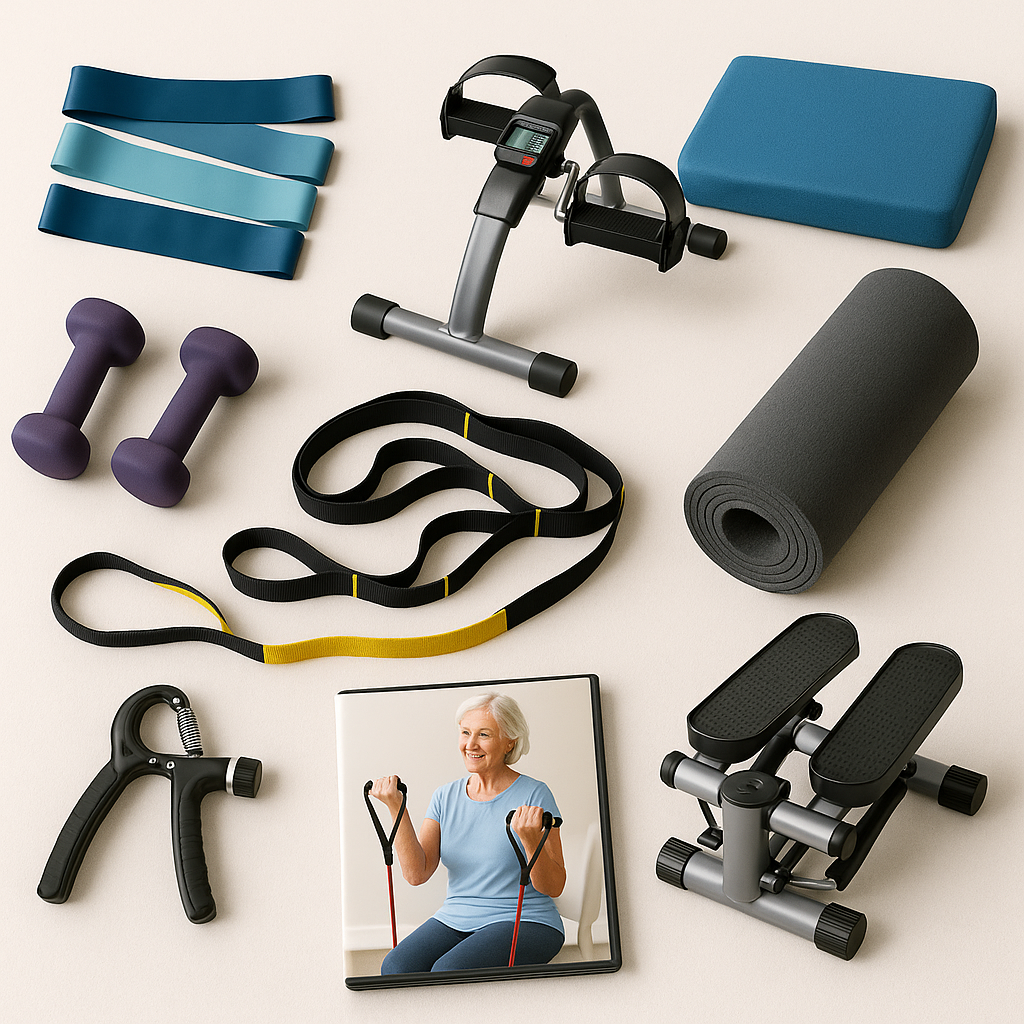
This guide highlights 10 affordable fitness tools tailored for seniors—each one compact, gentle on the joints, and easy to use in small living spaces.
Contents
- 1. Resistance Bands with Handles
- 2. Pedal Exerciser (Mini Cycle)
- 3. Foam Balance Pad
- 4. Light Dumbbells (1–5 lbs)
- 5. Door Anchor Resistance Kit
- 6. Extra Thick Yoga Mat
- 7. Grip Strength Trainer
- 8. Chair Exercise DVD or App
- 9. Stretch Strap with Loops
- 10. Compact Stepper
- Bonus: Tips for Senior Exercise in Small Spaces
- 1. Choose Foldable or Stackable Equipment
- 2. Designate a Fitness Nook
- 3. Use Multi-Functional Furniture
- 4. Store Gear in Easy-Reach Bins or Racks
- 5. Create Vertical Storage Solutions
- 6. Anchor Mats for Safety
- 7. Use Technology to Save Space
- 8. Try Rolling or Portable Equipment
- 9. Label and Organize Your Tools
- 10. Incorporate Wall Support for Balance Work
- 🧹 Extra Credit: Daily Reset Routine
- Example Routine Using These Tools
- Conclusion
1. Resistance Bands with Handles
Resistance bands are a top choice for seniors due to their lightweight nature and versatility. They can be used to work both the upper and lower body without strain on the joints. Look for a set with varying tension levels and padded handles for comfort.
Our Pick:
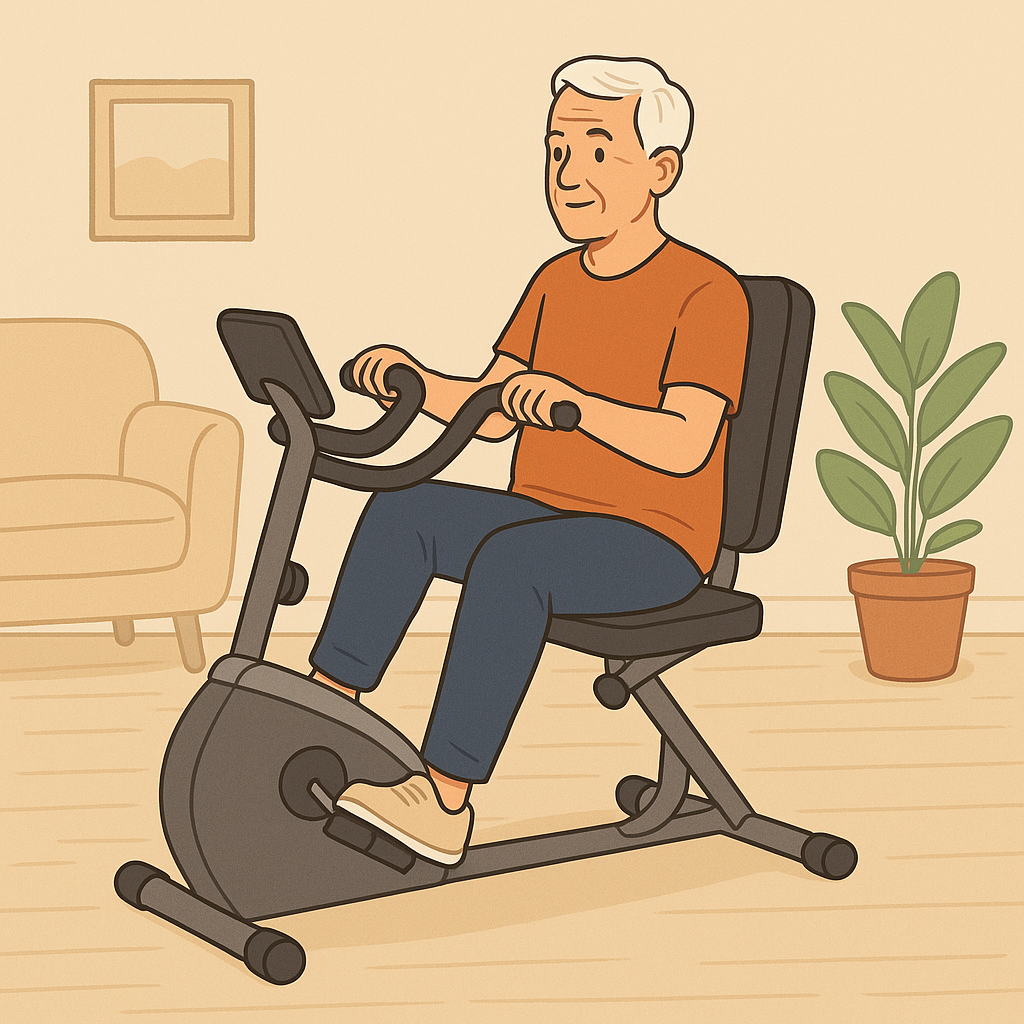
2. Pedal Exerciser (Mini Cycle)
These compact devices allow for seated leg or arm workouts. Seniors can improve circulation and cardiovascular health while reading, watching TV, or enjoying coffee. Choose models with an LCD screen to track time and distance.
Our Pick:
3. Foam Balance Pad
Balance pads are excellent for building coordination and reducing the risk of falls. They’re made from soft foam that challenges stabilizer muscles without high-impact movement. Great for standing or seated routines.
Our Pick:
4. Light Dumbbells (1–5 lbs)
Small weights are ideal for strength training. Neoprene-coated dumbbells offer a non-slip surface that’s easier to grip for those with arthritis or reduced hand strength.
Our Pick:
Amazon Basics Neoprene Dumbbell Hand Weights for Exercise and Muscle Toning
5. Door Anchor Resistance Kit
This set turns any doorway into a strength station. Resistance bands clip to the anchor, allowing for rows, presses, and more. No need for bulky gym equipment.
Our Pick:
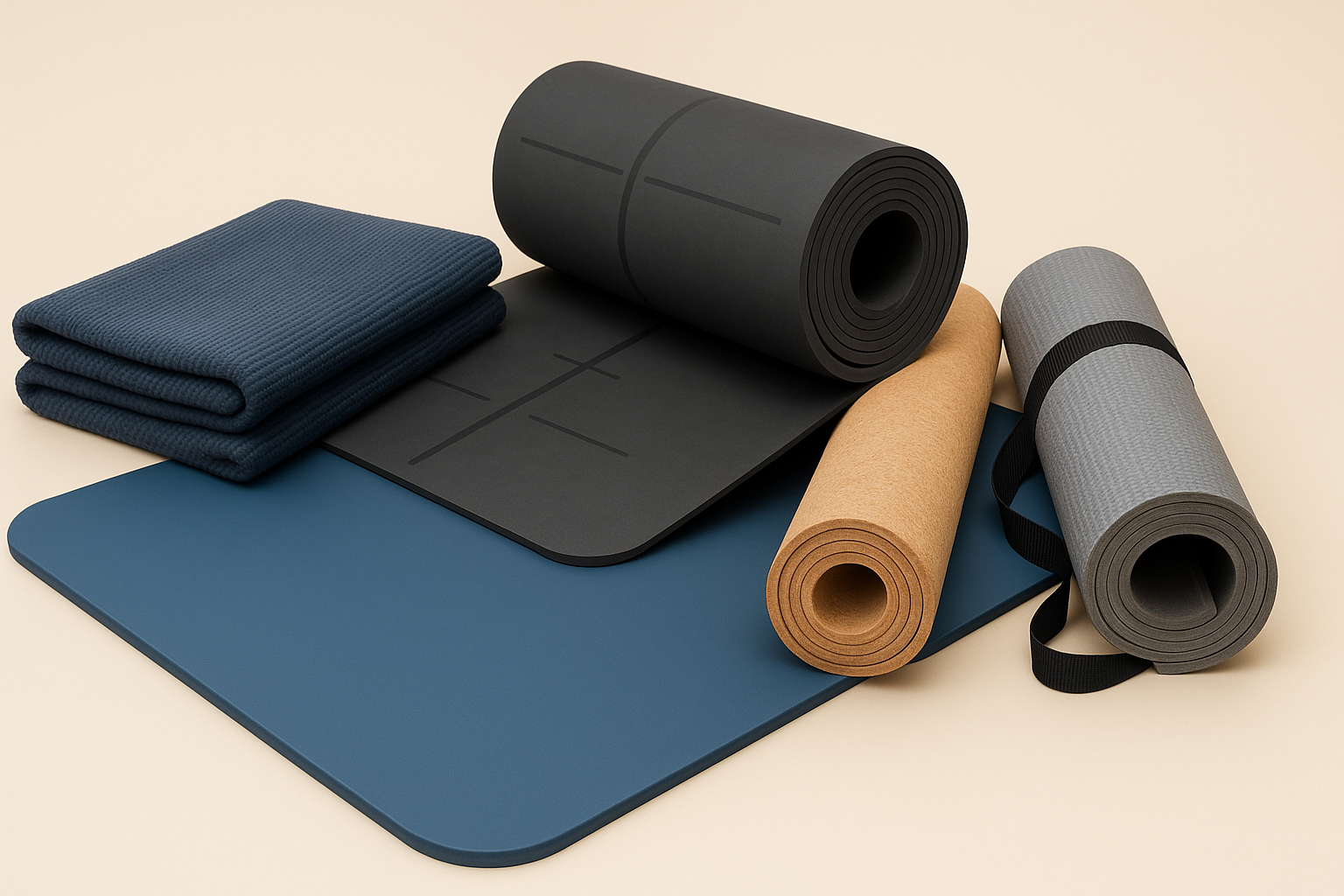
6. Extra Thick Yoga Mat
Thicker mats (6mm or more) provide joint protection for floor exercises and stretches. Look for non-slip textures for added safety, especially on hard surfaces.
Our Pick:
7. Grip Strength Trainer
Maintaining hand and forearm strength is essential for daily tasks like opening jars or holding onto railings. These small tools fit easily in a drawer and can be used anytime.
Our Pick:
8. Chair Exercise DVD or App
Chair-based workouts are excellent for seniors with limited mobility. Many programs feature low-impact routines led by trained instructors and can be followed from the comfort of a recliner or kitchen chair.
Our Pick:
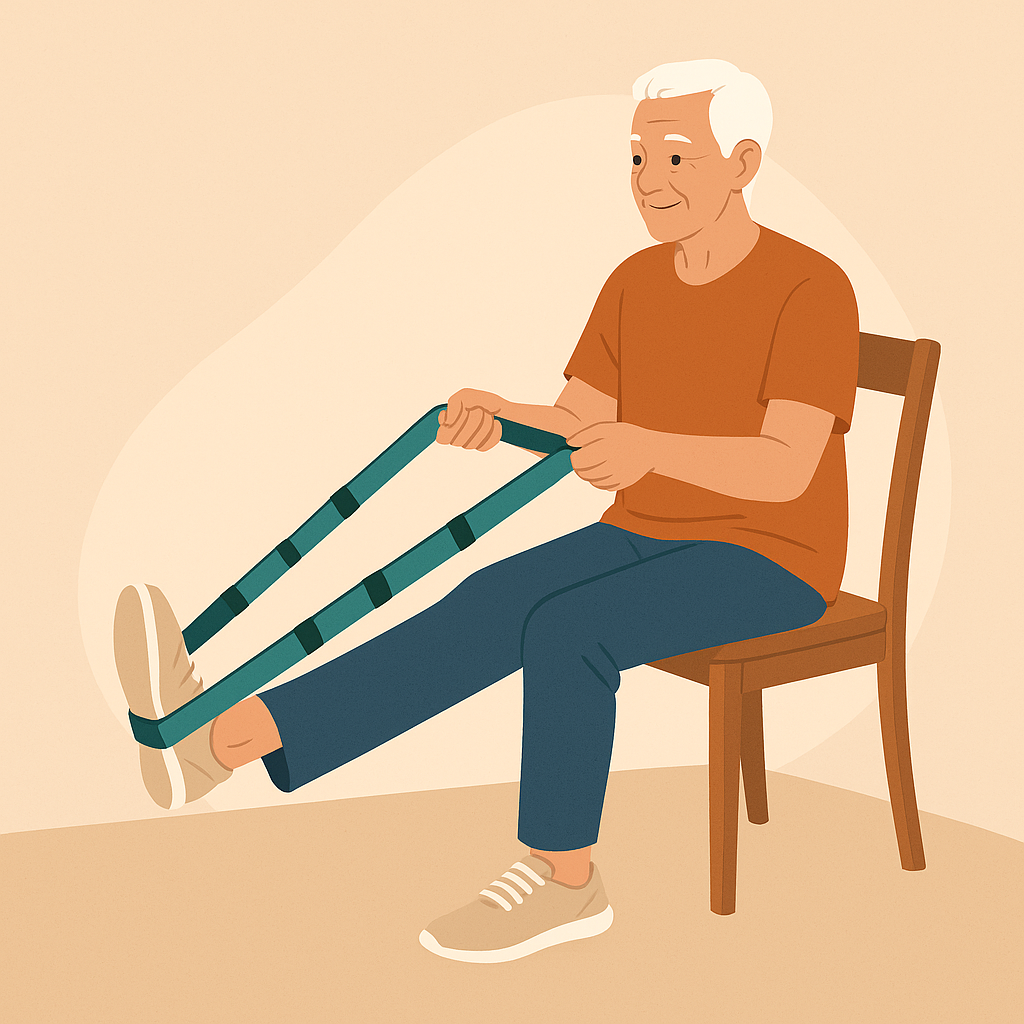
9. Stretch Strap with Loops
Stretching is key to flexibility and injury prevention. Straps with loops help seniors safely stretch hamstrings, arms, and shoulders without needing to bend too far or overreach.
Our Pick:
10. Compact Stepper
Mini stair steppers simulate walking uphill and can be used in front of a chair or wall for support. Some come with resistance bands for a full-body workout. They take up very little space and provide great cardio benefits.
Our Pick:
Bonus: Tips for Senior Exercise in Small Spaces
Just because you live in a smaller home, apartment, or assisted living space doesn’t mean you can’t have a highly functional workout zone. In fact, with a little creativity and a few smart tools, seniors can enjoy safe, consistent, and effective workouts without sacrificing comfort or cluttering their environment.
Below are powerful strategies—tested and tailored specifically for seniors—to maximize space while maintaining safety and motivation.
1. Choose Foldable or Stackable Equipment
Prioritize compact or collapsible tools that store easily in closets, under beds, or beside furniture. These are ideal for multi-use spaces.
Our Picks:
2. Designate a Fitness Nook
Even a 4’x4’ corner can be transformed into a senior-friendly fitness zone. Choose a spot near a sturdy wall or table for support, good lighting, and air circulation.
✅ Pro Tip: Use painter’s tape to mark off your “exercise square” so it stays clear.
Our Picks:
3. Use Multi-Functional Furniture
Chairs with arms, kitchen counters, and doorframes can double as workout aids. For example, a sturdy chair is essential for seated strength training or balance exercises.
Our Pick:
4. Store Gear in Easy-Reach Bins or Racks
Avoid bending or climbing by placing storage bins at waist height. Clear bins allow quick visibility of gear like bands, mats, and dumbbells.
Our Pick:
5. Create Vertical Storage Solutions
Think up, not out. Hang hooks, racks, or shelves to store equipment vertically and free up floor space. This also reduces trip hazards.
Our Picks:
6. Anchor Mats for Safety
If you’re working on tile, wood, or laminate floors, choose mats that won’t slip or curl. Use corner grippers or under-mat gridded pads to prevent accidents.
Our Picks:
7. Use Technology to Save Space
Instead of storing bulky DVD sets or printouts, stream your workouts or download apps designed for senior fitness. This saves physical space and allows for a broader variety of routines.
Our Pick:
8. Try Rolling or Portable Equipment
Some seniors may benefit from tools that roll easily between rooms. This allows you to exercise in the living room, then store equipment in a bedroom or closet afterward.
Our Picks:
9. Label and Organize Your Tools
Color-code or label resistance bands, dumbbells, and straps so you can quickly grab the right item without confusion or delay.
Our Picks:
10. Incorporate Wall Support for Balance Work
When practicing balance or mobility exercises, choose a space with a nearby wall for instant support. Add wall bars or grab rails for added safety if needed.
Our Picks:
🧹 Extra Credit: Daily Reset Routine
At the end of each day, perform a “reset” to restore your space:
- Roll up mats
- Wipe down handles
- Return tools to their bin or rack This keeps your home tidy and motivates consistent use.
Example Routine Using These Tools
Need help getting started? No worries!
Here’s a quick 20-minute workout you can do right from home using the tools listed above. It’s gentle, effective, and perfect for senior exercise in small spaces:
1. Warm-Up (3 minutes)
Start by getting your blood flowing with one of the following:
- Pedal exerciser (light pace)
- Marching in place (seated or standing)
2. Upper Body (5 minutes)
Focus on building strength in your arms and shoulders:
- Resistance band shoulder presses
- Grip strength training with a handheld trainer
3. Lower Body (5 minutes)
Keep your legs strong and improve circulation:
- Use a mini stepper for low-impact cardio
- Or do seated leg lifts with light ankle weights
4. Balance & Core (3 minutes)
Improve stability and core strength:
- Stand on a foam balance pad (hold onto a wall or chair for support)
- Or sit and do light dumbbell twists
5. Stretch & Cool Down (4 minutes)
Finish by improving flexibility and reducing muscle tension:
- Use a stretch strap to gently stretch your hamstrings, arms, and shoulders
- Hold each stretch for 20–30 seconds and breathe deeply
🧭 How Often Should Seniors Exercise?
According to health experts, seniors should aim for at least 150 minutes of moderate physical activity per week—that’s about 20–30 minutes a day, most days of the week. This can include a combination of strength training, light cardio, balance work, and stretching. The key is consistency over intensity.
Even low-impact movement, like walking around the house, light resistance band exercises, or chair yoga, contributes to overall health, mood, and independence.
If you’re just starting, try this routine 2–3 times a week and build up gradually.
Conclusion
You don’t need a big home—or a big budget—to stay healthy and active. These 10 affordable tools are ideal for seniors who want to maintain mobility, strength, and independence right from their favorite chair or corner of the living room. A few smart purchases can go a long way in building a consistent and enjoyable fitness routine.
Popular How-To Guides: Learn More About Home Safety & Fitness with Senior Safety Today!
Explore more senior-friendly product guides at SeniorSafetyToday.com.
Our articles are designed to help you stay safe, mobile, and independent:
- Fall Prevention Tips
- The Ultimate Senior Safety Checklist
- 10 Must-Have Kitchen Safety Devices for Seniors
- How to Make a Bathroom Safer for Elderly Parents
Your health and safety matter—start building your personal wellness toolkit today!