The Ultimate Senior Safety Checklist: Ensuring a Secure Environment for Your Loved Ones
A senior safety checklist helps older adults and caregivers spot hazards, plan practical improvements, and support independence at home. Start by reviewing walking paths, bathrooms, fire protection, medication routines, emergency contacts, transportation, and financial security. Use the 12 sections and printable-style checklist below to prioritize changes that fit the older adult’s preferences, mobility, and actual needs.

1. Home Safety Modifications
The first step in creating a senior safety checklist is to assess the overall safety of the home. This includes identifying and eliminating potential hazards.
Remove Tripping Hazards: Clear walkways of clutter, secure loose rugs, and ensure that electrical cords are tucked away to prevent trips and falls.
Install Grab Bars and Handrails: Grab bars in the bathroom and handrails on stairs provide additional support and reduce the risk of falls.
Improve Lighting: Ensure that all areas, especially stairways and hallways, are well-lit. Motion-sensor lights can be particularly helpful for night-time navigation.
2. Bathroom Safety Precautions
The bathroom is one of the most dangerous areas in a home for seniors due to the risk of slipping. It’s vital to include bathroom safety in your senior safety checklist.
Use Non-Slip Mats: Choose secure, slip-resistant bathing surfaces and replace any mat that curls or slides; keep floors dry.
Install a Raised Toilet Seat: A properly fitted raised toilet seat may make sitting and standing easier; check compatibility and individual transfer needs.
Add a Shower Chair and Handheld Showerhead: A correctly fitted shower chair and handheld showerhead may help with seated bathing; evaluate safe transfers and installation first.
3. Fall Prevention Strategies
Falls are a leading cause of injury among seniors. Implementing fall prevention measures is a key part of any senior safety checklist.
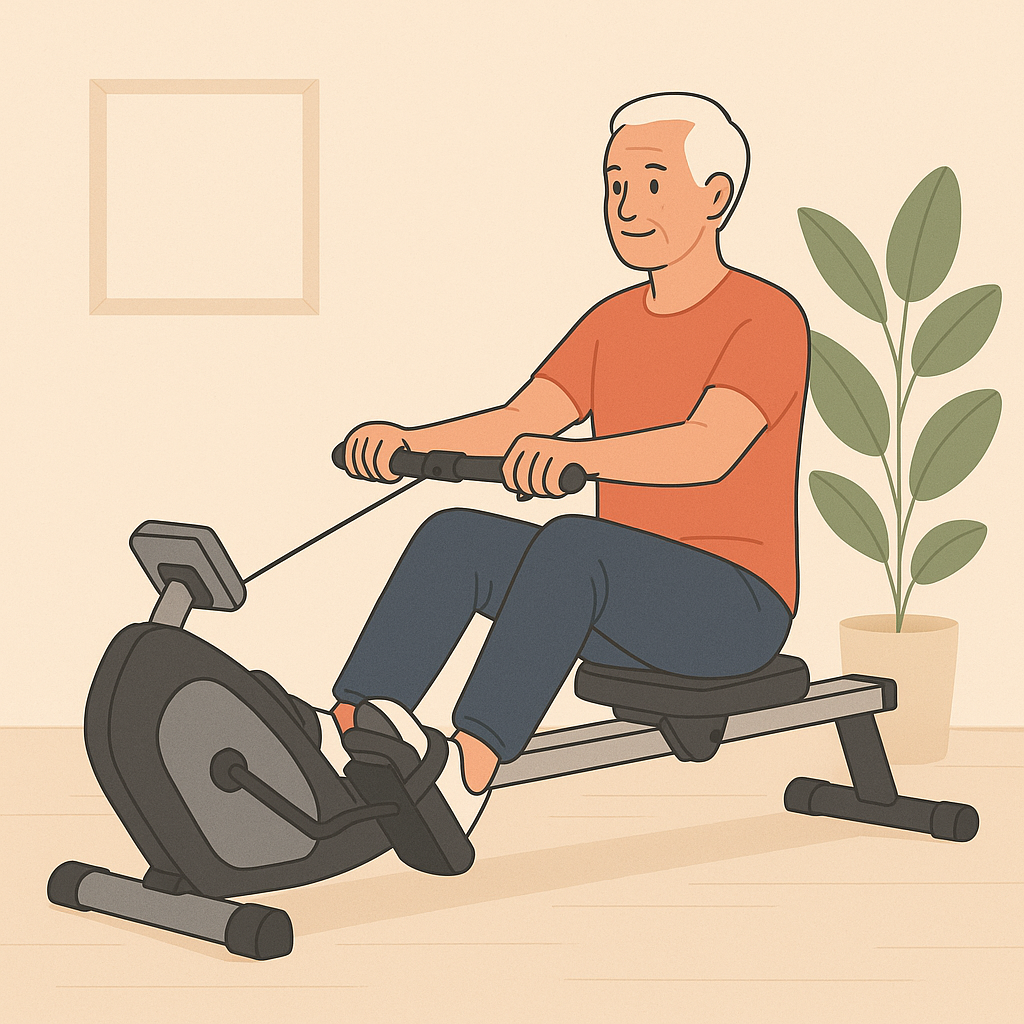
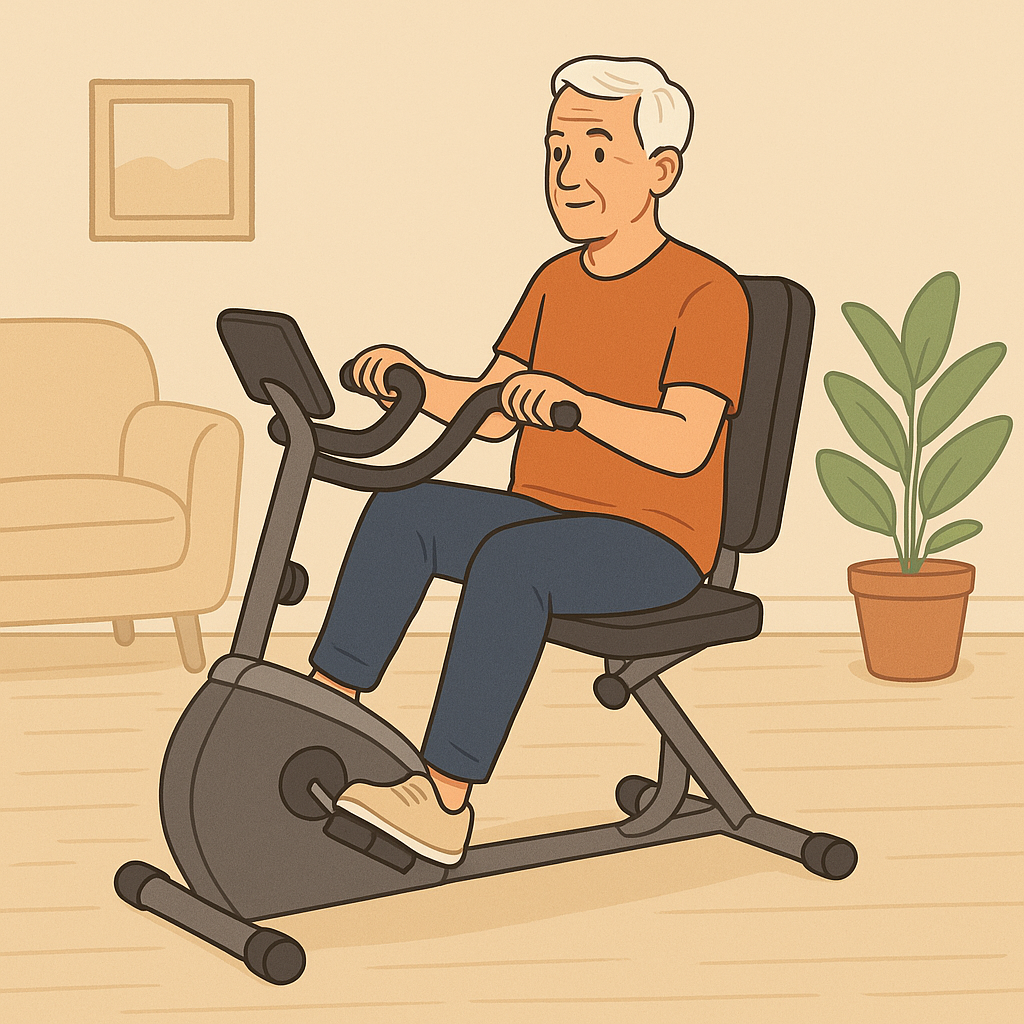
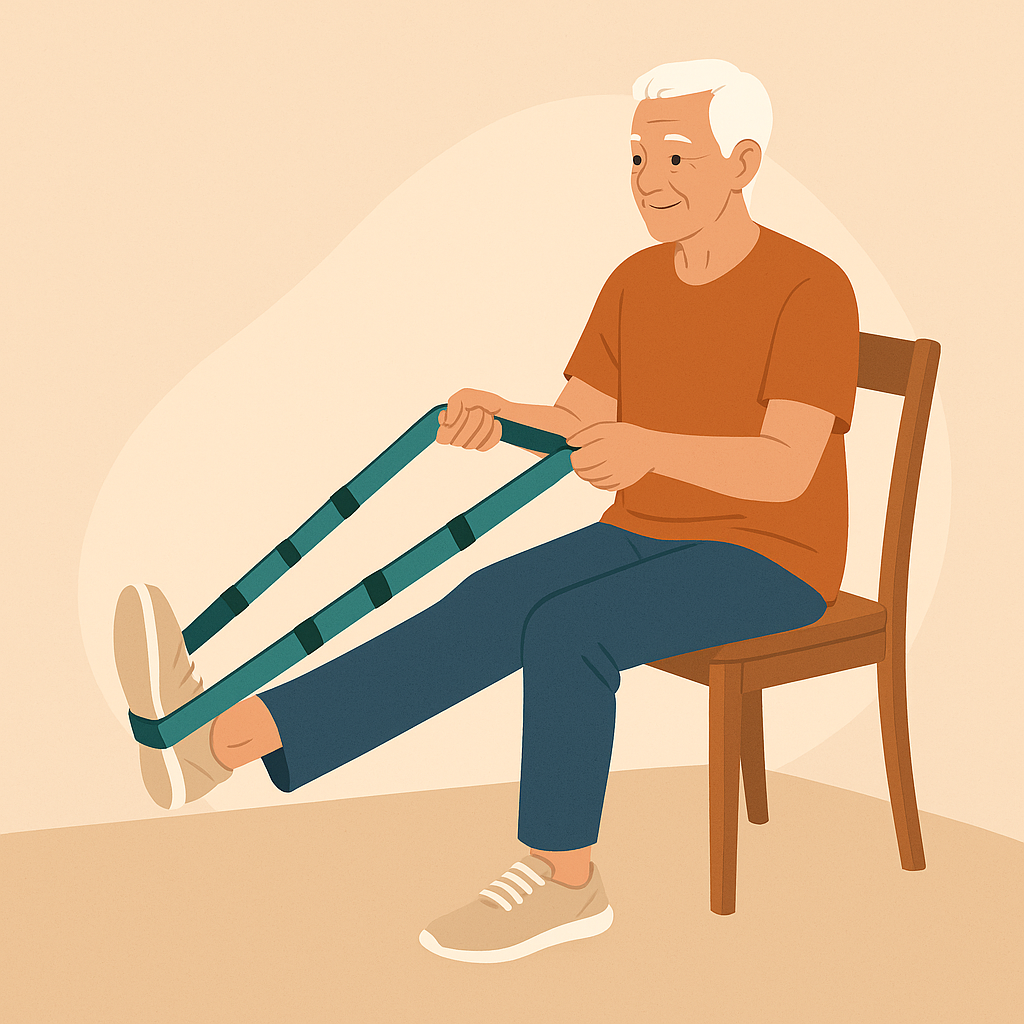
Encourage Regular Exercise: Strengthening exercises can improve balance and coordination, reducing the risk of falls.
Wear Proper Footwear: Ensure that seniors wear shoes with non-slip soles. Avoid slippers that can slide off easily.
Regular Vision Checks: Good vision is critical to preventing falls. Make sure that seniors have regular eye exams and up-to-date prescriptions.
4. Fire Safety Measures
Fire safety should be an integral part of your senior safety checklist. Seniors may not react as quickly in an emergency, so it’s essential to have preventative measures in place.
Install Smoke Alarms: Ensure smoke alarms are installed in key areas like the kitchen, bedrooms, and hallways. Test them regularly and replace batteries as needed.
Create an Emergency Plan: Develop a clear, easy-to-follow fire escape plan. Make sure your loved one knows the route and practice it regularly.
Safe Use of Appliances: Ensure that kitchen and heating appliances are used safely and are turned off when not in use.
5. Medication Management
Proper medication management is crucial for maintaining health and avoiding dangerous mistakes. Incorporate these steps into your senior safety checklist.
Use a Pill Organizer: A pill organizer may help track certain medications, but it is not suitable for every prescription; confirm a safe routine with a clinician or pharmacist.
Create a Medication Schedule: Write down a daily schedule of when each medication should be taken, and set reminders if necessary.
Review Medications with a Doctor: Regularly review all medications with a healthcare provider to prevent dangerous interactions and ensure they are still needed.
6. Cognitive Health and Safety
Cognitive decline can increase the risk of accidents and emergencies. Your senior safety checklist should address these concerns.
Simplify the Living Space: Reduce confusion by clearly labeling drawers and cabinets, and keeping frequently used items within easy reach.
Install Safety Devices: Consider installing safety devices like GPS trackers and smart home systems that alert caregivers to unusual behavior.
Provide Emergency Contact Information: Ensure that emergency contact numbers are easily accessible, both in written form and programmed into phones.
7. Emergency Preparedness
Being prepared for emergencies is an essential part of any senior safety checklist.
Assemble an Emergency Kit: Include items like water, non-perishable food, medications, a flashlight, and important documents.
Know Local Resources: Be aware of local emergency services and shelters that can be accessed if necessary.
Set Up a Communication Plan: Ensure that your loved one has a way to contact family or emergency services, whether through a phone or a medical alert system.
8. Safe Transportation
Transportation is a critical aspect of maintaining independence, but it also presents risks. Address these concerns in your senior safety checklist.
Assess Driving Ability: Regularly evaluate whether your loved one is still safe behind the wheel. Look for signs such as frequent accidents or confusion on the road.
Explore Transportation Alternatives: If driving is no longer safe, identify alternative transportation options like public transit, rideshare services, or community programs.
Maintain the Vehicle: Ensure that the vehicle is well-maintained, with regular checks on brakes, tires, and other essential systems.
9. Social Connection and Mental Well-Being
Loneliness and isolation can have a significant impact on a senior’s mental health. Maintaining social connections is an important part of a senior safety checklist.
Encourage Social Interaction: Facilitate regular interactions with family and friends, either through in-person visits or digital communication.
Promote Community Involvement: Engage your loved one in community activities or clubs to keep them socially active and mentally stimulated.
Monitor Mental Health: Be aware of signs of depression or anxiety and seek professional help if needed.
10. Financial Safety and Fraud Prevention
Seniors are often targets for financial scams. Protecting their finances is a crucial part of the senior safety checklist.
Educate on Common Scams: Make sure your loved one is aware of common scams, such as phishing emails and fraudulent phone calls.
Monitor Financial Accounts: Regularly review bank statements and credit reports for any suspicious activity.
Consider a Power of Attorney: If necessary, discuss setting up a power of attorney to help manage your loved one’s finances safely.
11. Nutrition and Hydration
Proper nutrition and hydration are vital for overall health and should be included in your senior safety checklist.
Plan Balanced Meals: Ensure that meals are nutritionally balanced, with plenty of fruits, vegetables, and whole grains.
Monitor Hydration: Encourage regular water intake to prevent dehydration, which is common among seniors.
Prepare Easy-to-Make Meals: Provide easy-to-make meals or pre-prepared options to ensure your loved one can maintain a healthy diet without too much effort.
12. Technology and Senior Safety
Technology can be a powerful tool for enhancing senior safety. Incorporate these tech solutions into your senior safety checklist.
Medical Alert Systems: A medical alert system can connect a person to a response service when activated; compare service coverage, connection requirements, monthly costs, and response procedures.
Smart Home Devices: Smart home devices can automate tasks like turning off lights or locking doors, reducing the risk of accidents.
Telehealth Services: Utilize telehealth services for regular check-ups and consultations, reducing the need for trips to the doctor’s office.
Senior Safety Checklist
Use this checklist to ensure your loved one’s home and lifestyle are as safe as possible:
Home Safety Modifications
Remove tripping hazards (e.g., clutter, loose rugs, cords).
Install grab bars in the bathroom and handrails on staircases.
Improve lighting in all key areas, including hallways and staircases.
Bathroom Safety
Place non-slip mats in the bathtub and bathroom floor.
Install a raised toilet seat with armrests.
Add a shower chair and handheld showerhead.
Fall Prevention
Encourage regular exercise for balance and strength.
Ensure proper footwear with non-slip soles.
Schedule regular vision checks.
Fire Safety
Install smoke alarms in the kitchen, bedrooms, and hallways.
Create and practice a fire escape plan.
Ensure safe use of kitchen appliances and space heaters.
Medication Management
Use a pill organizer for daily medications.
Create a clear medication schedule with reminders.
Review medications regularly with a healthcare provider.
Cognitive Health and Safety
Simplify the living space (e.g., label drawers, reduce clutter).
Install safety devices like GPS trackers and smart home systems.
Ensure emergency contact information is easily accessible.
Emergency Preparedness
Assemble an emergency kit with essentials.
Familiarize yourself with local emergency resources.
Set up a communication plan for emergencies.
Safe Transportation
Regularly assess driving ability.
Identify alternative transportation options.
Ensure the vehicle is well-maintained.
Social Connection
Facilitate regular social interactions.
Encourage community involvement.
Monitor mental health for signs of depression or anxiety.
Financial Safety
Educate on common financial scams.
Regularly monitor financial accounts for suspicious activity.
Discuss financial powers of attorney with a qualified professional while the person can make informed decisions, and protect their autonomy and accounts.
Nutrition and Hydration
Plan balanced meals with a variety of food groups.
Encourage regular water intake.
Provide easy-to-make or pre-prepared meals.
Technology for Safety
Install a medical alert system.
Utilize smart home devices for daily tasks.
Use telehealth services for regular medical consultations.
This checklist can be printed and used to systematically ensure that all aspects of senior safety are covered. Regular reviews and updates to this checklist are recommended to adapt to changing needs.
Conclusion
A useful senior safety checklist is a living document, not a one-time purchase list. Review the home with the older adult, prioritize the highest-risk issues, ask qualified professionals for advice on medical or structural changes, and revisit the plan after falls, hospital visits, or changes in mobility. The goal is safer everyday living with comfort, dignity, and independence.