Affiliate Disclosure:
Some links in this article are affiliate links. If you click and make a purchase, SeniorSafetyToday.com may earn a small commission at no extra cost to you. We only recommend products we believe support the safety, independence, and well-being of seniors.
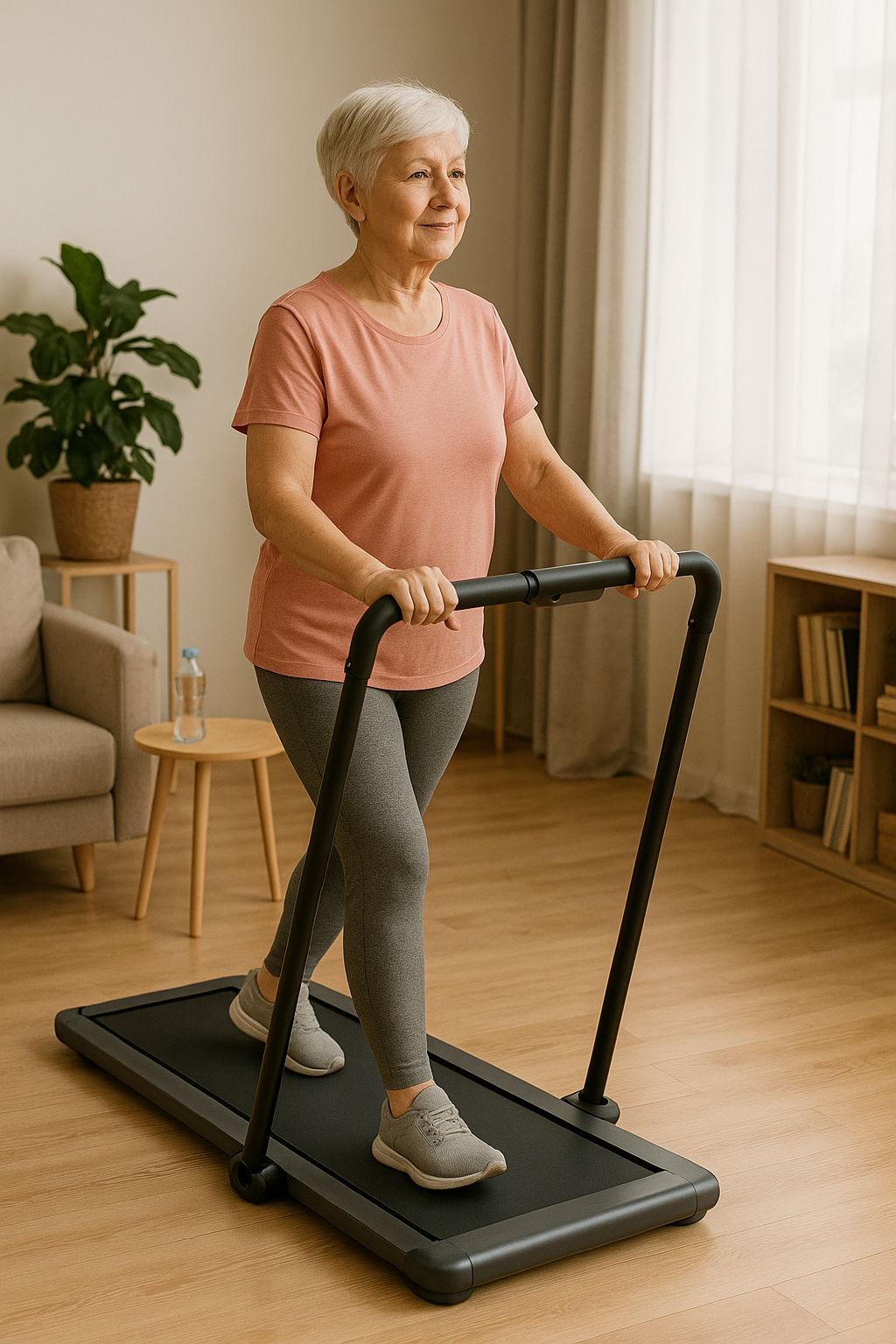
Walking is one of the safest and most effective exercises for seniors, but bad weather, uneven sidewalks, or mobility concerns can make it hard to stay consistent. A compact treadmill offers a secure, low-impact way for seniors to walk indoors—anytime, in any weather. And because they’re smaller than full-size gym models, these treadmills are perfect for apartments, condos, or tight spaces.
This guide covers the best compact treadmills for seniors, what features to look for, and how to use them safely at home.
Contents
- Key Features to Look For
- Benefits of Compact Treadmills for Seniors
- Types of Compact Treadmills for Seniors
- How to Choose the Best Compact Treadmill for Seniors
- Sample Walking Routine for Seniors (15–20 Minutes)
- Safety Tips for Using a Treadmill
- Final Thoughts
- FAQ: Compact Treadmills for Seniors
- What is the best compact treadmill for seniors with limited space?
- Are compact treadmills safe for seniors with balance issues?
- Can seniors use under-desk treadmills for walking while reading or watching TV?
- Do compact treadmills help with joint pain?
- What’s the best compact treadmill for seniors who don’t want to deal with technology?
- How can seniors track progress on a treadmill?
- Are incline treadmills safe for seniors?
- How often should seniors walk on a treadmill?
- Share this:
- Like this:
Key Features to Look For
Choosing the right compact treadmill for seniors involves more than picking the smallest or least expensive option. To ensure both safety and comfort, focus on features specifically designed for senior needs.
Foldable Design and Storage Options
A major benefit of compact treadmills is their ability to fold and be tucked away when not in use. Look for treadmills that fold flat, stand upright, or have wheels for easy movement. This is especially useful in apartments, condos, or homes with limited storage space.
Safety Rails and Handles
Safety is a top priority for seniors. Treadmills with sturdy side rails or full-length bars provide vital balance support, reducing the risk of falls. Some models also offer easy-to-grip handles, perfect for post-rehab walking routines or those new to treadmill use.
Speed Adjustability
Not all seniors want or need high-speed settings. The best compact treadmills for older adults feature low starting speeds (as low as 0.5 mph) and precise controls. Adjustable speed limits allow users to walk at a comfortable, safe pace and gradually increase as fitness improves.
Shock-Absorbing Decks
A cushioned, shock-absorbing walking surface reduces the impact on knees, hips, and ankles—ideal for seniors with arthritis or joint pain. Deck cushioning also helps minimize walking fatigue, making longer or more frequent sessions enjoyable and sustainable.
Compact or Slim Profile
The size and shape of the treadmill matter when space is at a premium. Slim-profile treadmills are designed to fit under beds, behind doors, or in small closets. Some under-desk models can even slide beneath a table, making them perfect for multitasking during the day.
Easy-to-Read Displays and Controls
Simple, intuitive controls and large, easy-to-read displays make treadmill use accessible to seniors with vision or dexterity issues. Features such as remote controls or one-touch buttons are especially helpful for those with limited mobility or hand strength.
Benefits of Compact Treadmills for Seniors
Compact treadmills are increasingly popular among seniors who want to maintain their health and independence without the barriers of outdoor walking or full-size gym equipment. Here’s why:
Safe Indoor Exercise
Walking indoors eliminates risks from bad weather, uneven sidewalks, or crowded parks. Seniors can walk any time of day, in any season, within the safety of their own home. For those recovering from injury or surgery, treadmills offer a controlled environment for supervised rehabilitation.
Low-Impact for Joint Health
Compared to jogging or high-impact workouts, treadmill walking is gentle on the joints. Models with cushioned decks further reduce shock to the knees, hips, and ankles. This is crucial for seniors managing osteoarthritis, joint pain, or reduced bone density.
Consistent Activity Regardless of Weather
No more skipping exercise due to rain, snow, or extreme heat. A compact treadmill provides reliable, year-round access to safe, effective cardiovascular exercise—helping seniors stay active and avoid sedentary habits.
Suited for Small Spaces
Modern compact treadmills fit where full-size models can’t. Whether in a studio apartment, small bedroom, or home office, these treadmills maximize living space and can be easily stored when not in use. Seniors with limited room no longer have to sacrifice fitness.
Types of Compact Treadmills for Seniors
1. Foldable Walking Treadmill
A low-profile treadmill that folds flat and tucks away when not in use.
🛒Our Pick:
Why It’s Great:
- Compact and space-saving
- Perfect for small rooms
- Lightweight but sturdy
2. Treadmill with Safety Rails
Side handles or full-length bars to help with balance and support.
🛒Our Pick:
Perfect For:
- Seniors with balance concerns
- Post-rehab walking routines
- Safer indoor mobility
3. Under-Desk Treadmill
Designed to walk while working or reading, fits under tables or desks.
🛒Our Pick:
Top Benefits:
- Encourages more movement
- Quiet operation
- Great for multitasking
4. Treadmill with Adjustable Speed Limit
Low-speed settings ideal for slower, safer walking paces.
🛒Our Pick:
Ideal For:
- Seniors new to treadmills
- Avoiding joint stress
- Focused on safety
5. Treadmill with Cushioned Deck
Shock-absorbing surface to reduce impact on knees and hips.
🛒Our Pick:
SoftStep Treadmill – Comfort for Your Joints
Why Seniors Like It:
- Reduces walking fatigue
- Easier on bones and joints
- More pleasant walking experience
6. Slim Profile Treadmill
Takes up minimal floor space and slides under furniture.
🛒Our Pick:
Best For:
- Small apartments
- Minimalist living
- Easy storage
7. Manual Walking Treadmill
No motor—moves only when you walk, offering natural resistance.
🛒Our Pick:
Great For:
- Low-tech option
- Seniors who want more control
- Emergency use with no electricity
8. Treadmill with Step Counter and Calorie Tracker
Displays progress clearly on a built-in screen.
🛒Our Pick:
Top Features:
- Simple interface
- Encourages goal setting
- Great for motivation
9. Compact Treadmill with Remote Control
Adjust settings without bending or reaching, ideal for limited mobility.
🛒Our Pick:
Perfect For:
- Seniors with back or arm limitations
- Seated caregivers assisting use
- Simple adjustments
How to Choose the Best Compact Treadmill for Seniors
Selecting the right treadmill involves matching features to your needs, lifestyle, and environment. Here’s how to make the best choice:
Assessing Your Living Space
Measure your available floor space, considering both usage and storage. Make sure the treadmill fits comfortably in your preferred exercise area. Foldable or slim-profile designs are best for tight quarters, while under-desk treadmills are ideal for those who want to move while working or watching TV.
Prioritizing Safety and Comfort Features
Look for essential safety features like side rails, easy-to-use safety clips, and non-slip mats. Comfort features include cushioned decks, adjustable inclines, and hand-friendly rails. If balance is a concern, always choose a model with sturdy, full-length handrails.
Considering Ease of Use and Controls
The easier a treadmill is to use, the more likely seniors will stick to a regular routine. Prioritize models with large digital displays, simple speed adjustments, and one-touch start/stop buttons. Remote controls can be a game-changer for those with back, arm, or mobility limitations.
Weight Limits and Stability
Check the maximum weight capacity to ensure the treadmill is sturdy and safe for all users in the household. Heavier, wider-base treadmills typically offer more stability—an important factor for seniors with balance challenges or those who want extra security.
Sample Walking Routine for Seniors (15–20 Minutes)
A structured routine makes treadmill walking both safe and effective. Here’s a sample program ideal for most seniors:
Warm-Up (2 Minutes)
Start by walking at the lowest speed setting. Focus on slow, gentle steps, swinging arms lightly to loosen muscles and get the blood flowing. This prepares the joints and cardiovascular system for the main workout.
Main Walk (10–12 Minutes)
- Increase the speed slightly to a comfortable, steady pace.
- Use handrails if needed, especially in the first few sessions.
- Keep shoulders relaxed, look straight ahead, and maintain a natural stride.
- Breathe deeply and consistently, aiming for a pace that feels sustainable but mildly challenging.
- If your treadmill offers incline, add a gentle slope for one or two minutes, then return to flat.
Cool Down (2–3 Minutes)
- Gradually decrease the speed to the warm-up pace.
- Walk slowly, allowing heart rate and breathing to return to normal.
- After stepping off the treadmill, perform light stretches for calves, thighs, and hips.
Tip: Aim for this routine 3–5 times per week to support cardiovascular health, maintain leg strength, and boost mood. Start with shorter sessions if needed and increase duration as endurance improves.
Safety Tips for Using a Treadmill
Safety should always come first—especially for older adults starting a new exercise program.
Proper Footwear
Wear supportive, non-slip walking shoes to prevent slipping and ensure good posture. Avoid sandals, slippers, or bare feet.
Use Safety Rails or Safety Clips
Always use the treadmill’s handrails when mounting or dismounting. Attach the safety clip to your clothing; if you lose balance, it will automatically stop the treadmill.
Place the Treadmill on a Non-Slip Mat
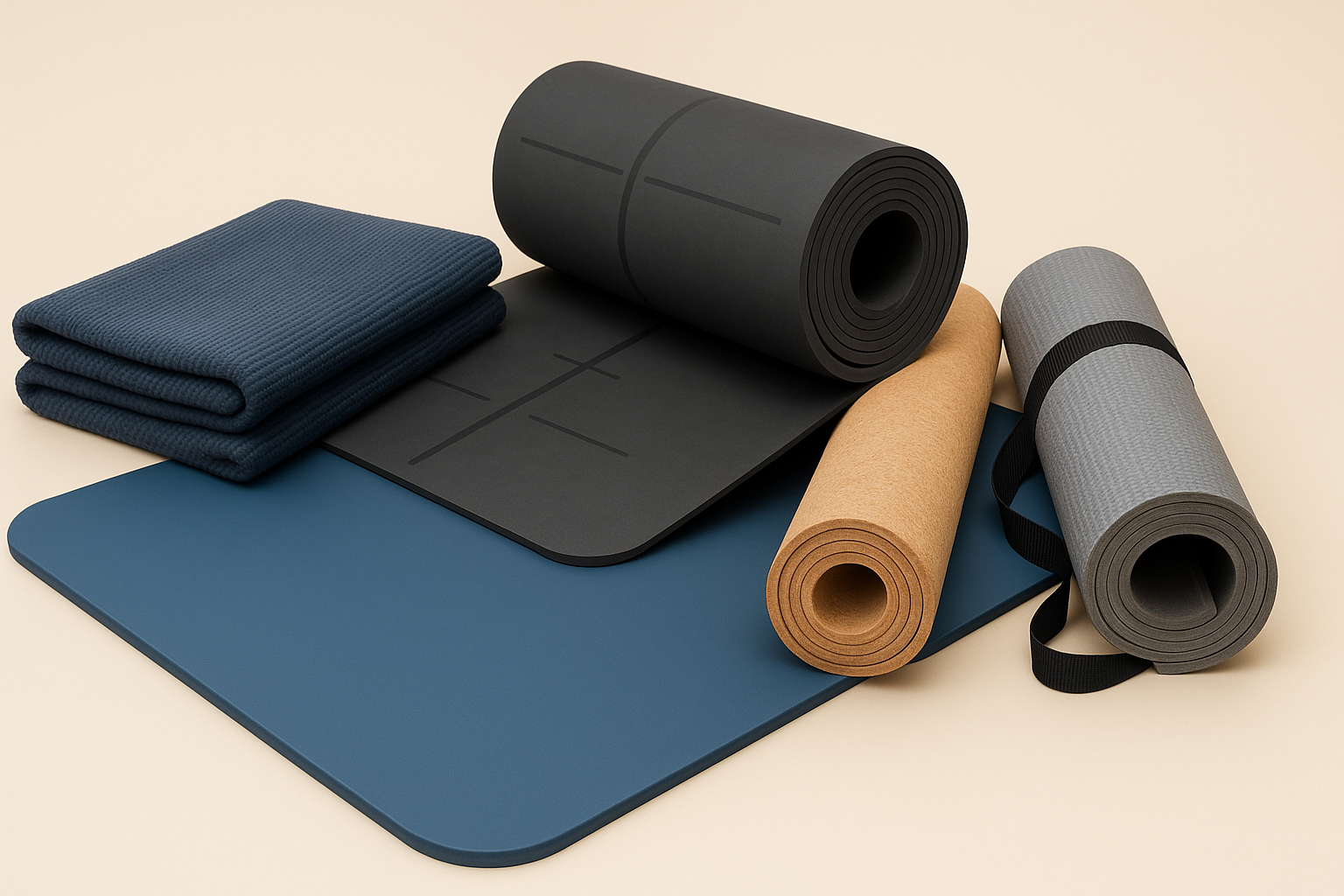
A mat beneath the treadmill reduces movement, absorbs vibrations, and protects floors. It also adds a layer of safety if the treadmill is placed on hardwood or tile.
Start Slow—Build Up Over Time
Begin with the lowest speed and shortest duration. As confidence and strength grow, gradually increase both. Never try to rush progress, and stop immediately if you feel pain, dizziness, or shortness of breath.
Regular Maintenance and Checks
Inspect your treadmill for loose parts, worn belts, or odd noises before each use. Keep displays and controls clean and dust-free to ensure proper operation.
Consult your healthcare provider before starting any new exercise program—especially if you have pre-existing health conditions or mobility issues.
Final Thoughts
A compact treadmill is one of the best ways to maintain daily movement—especially for seniors who prefer to stay indoors. With the right features, it can offer a safe, quiet, and convenient way to stay active without taking over your living space.
Explore the best compact treadmills for seniors today at SeniorSafetyToday.com. Step into wellness—right in your living room.
Learn More with Senior Safety Today
Check out our great resources to learn more:
- Fall Prevention Tips
- Best Compact Ellipticals for Seniors: Low-Impact Cardio Without the Bulk
- Top Hand Exercise Equipment for Seniors: Improve Grip Strength and Dexterity at Home
- Top Stationary Bikes for Seniors in Small Spaces
FAQ: Compact Treadmills for Seniors
Learn how compact treadmills can help seniors stay active safely at home, even in tight living spaces.
What is the best compact treadmill for seniors with limited space?
Seniors living in apartments or condos benefit most from foldable walking treadmills like the FoldFlat Walker or slim-profile models like the SlimStride. These treadmills can be stored vertically or under furniture, offering big benefits in a small footprint.
Related: 👉 10 Affordable Senior Workout Tools You Can Use Anywhere
Are compact treadmills safe for seniors with balance issues?
Yes. Treadmills with safety rails or slow-speed controls like the SafeStride Treadmill and Gentle Pace Treadmill offer secure walking with extra support. Seniors should also wear proper shoes and use the emergency clip for added safety.
👉 Related: Fall Prevention Tips for Seniors
Can seniors use under-desk treadmills for walking while reading or watching TV?
Absolutely. Under-desk treadmills like the Desk Walker let you move while multitasking. These models are especially useful for staying active during the day without needing a separate exercise room.
Do compact treadmills help with joint pain?
Yes, especially those with cushioned decks like the SoftStep Treadmill. These models reduce impact on knees and hips, making walking gentler and more enjoyable for seniors with arthritis or mobility concerns.
What’s the best compact treadmill for seniors who don’t want to deal with technology?
Manual walking treadmills like the Manual Fit Walker require no power or setup. They’re ideal for seniors who prefer simple operation and want to stay active without screens or buttons.
How can seniors track progress on a treadmill?
Many compact treadmills include step counters, calorie trackers, or remote controls. For example, the ProgressTrack Treadmill helps seniors monitor each walk for motivation, while the Remote Walk Pro makes it easier to adjust settings.
👉 Related: The Ultimate Senior Safety Checklist: Ensuring a Secure Environment for Your Loved Ones
Are incline treadmills safe for seniors?
Light incline options like the InclineEase Treadmill allow seniors to increase intensity gently. Start at 0% incline and gradually raise it based on comfort and ability. Always use rails when increasing the incline.
How often should seniors walk on a treadmill?
Most seniors benefit from 3–5 walks per week, starting with short sessions (10–15 minutes) and gradually increasing. A routine that includes warm-up, steady pace, and cool down helps build endurance and cardiovascular health.