5 Ways Seniors Can Reduce Their Risk of Crime
Crime prevention for seniors starts with practical habits: staying aware in public, making home entry points more secure, recognizing scams, planning safer outings, and protecting personal information. No precaution eliminates crime, and anyone can be targeted. These five approaches help older adults and caregivers make informed choices without sacrificing independence.
1. Stay aware of your surroundings
When walking, shopping, or traveling, notice exits, lighting, traffic, and nearby places where you could ask for help. Awareness is useful, but victims are never responsible for someone else’s criminal behavior.
- Choose well-lit routes that suit your mobility and comfort.
- Keep a charged phone accessible; save emergency and trusted-contact numbers.
- If you feel threatened, move toward a staffed business or other populated place rather than confronting someone.
- Make plans that accommodate hearing, vision, balance, and mobility needs. There is no need to make eye contact with a threatening person.
2. Make your home harder to enter unnoticed
Good locks, adequate lighting, and a reliable way to identify visitors can reduce opportunities for unwanted entry. Review these measures alongside the home’s fire-escape and accessibility needs.
- Check that exterior doors and accessible windows lock properly; consult a qualified locksmith when necessary.
- Add exterior lighting near entrances and paths without creating glare.
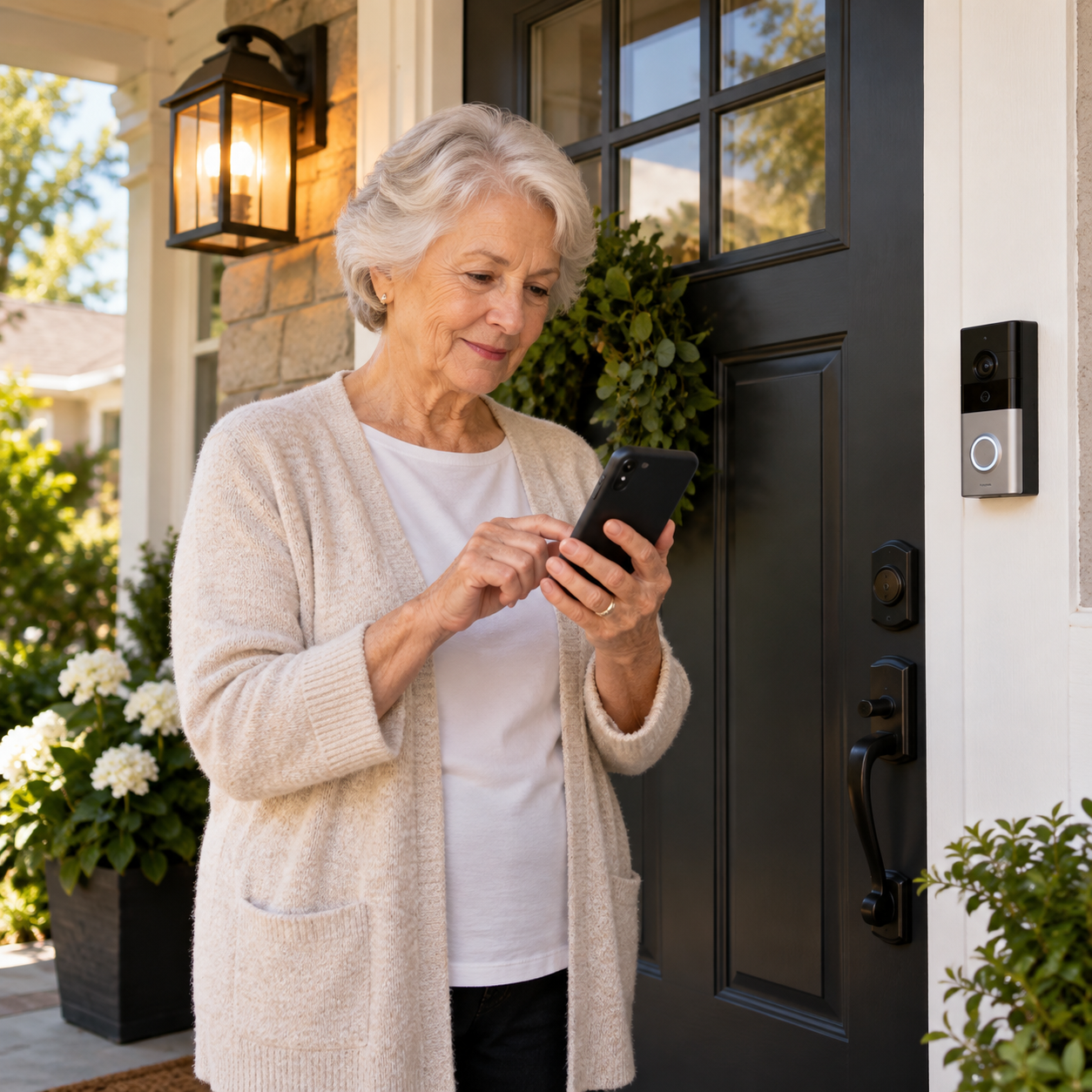
- Use a peephole, window, or video doorbell to verify visitors before opening the door.
- Do not let an unexpected caller inside merely because they claim to represent a utility, agency, or repair service. Contact the organization using a number you find independently.
- Ask a trusted neighbor to collect deliveries during an extended absence, and avoid publicly announcing travel dates.
3. Recognize scams and pressure tactics
Criminals may impersonate banks, relatives, delivery companies, government agencies, or technology support workers. Urgency, secrecy, requests for unusual payment methods, and demands for one-time verification codes are warning signs.
- Pause before responding to an unexpected call, text, email, or doorstep offer.
- Verify the request using an official website, statement, or a phone number you already trust. Caller ID and message logos can be spoofed.
- Never give a login verification code or password to an unexpected caller.
- Treat gift-card, cryptocurrency, wire-transfer, and payment-app demands from unknown contacts as major red flags.
- If money or information has already been shared, contact the bank or provider promptly, change compromised credentials, and report the incident.
Useful resources: Federal Trade Commission consumer advice (https://consumer.ftc.gov/scams) and reporting (https://reportfraud.ftc.gov/).
4. Plan safer errands and public outings
A practical outing plan is more helpful than avoiding public places. Use routes, transport, and shopping environments that fit your needs, and arrange assistance when it increases comfort or accessibility.
- Keep bags closed and close to your body; avoid leaving wallets or phones unattended.
- Use ATMs in locations where you feel comfortable and shield the keypad when entering a PIN.
- Park or arrange pickups in well-lit, accessible areas when possible.
- When using a ride service, confirm the driver’s and vehicle’s details before entering.
- If you feel unsafe or disoriented, ask an employee or another trusted person for assistance.
5. Protect accounts and identity information
Identity theft can involve stolen account credentials, documents, or impersonation. Protecting your accounts can limit damage even if some personal data becomes exposed.
- Use a unique password for each important account and enable multifactor authentication where available.
- Review financial alerts and account activity, and report unfamiliar transactions promptly.
- Shred unneeded papers containing sensitive information; securely store records you must keep.
- Check credit reports through AnnualCreditReport.com and consider a free credit freeze if appropriate.
- Keep devices and apps updated, and avoid links or attachments in unsolicited messages. A secure website and up-to-date device are more important than a blanket ban on public Wi-Fi.
If you suspect identity theft, visit https://www.identitytheft.gov/ for a personalized recovery plan.
A quick personal safety checklist
Phone charged and emergency contact accessible
Home locks, lighting, and visitor screening reviewed
Unexpected payment requests independently verified
Errands and transport planned for accessibility
Account alerts and multifactor authentication enabled
Trusted contact available for questions or support
Frequently asked questions
What should an older adult do after receiving a suspicious phone call?
End the call without sharing information. Contact the alleged organization using an independently verified number. If money or credentials were provided, act quickly with the financial institution or account provider.
Does a home camera replace good locks?
No. Cameras can help monitor entryways, but sound locks, safe lighting, visitor screening, and an emergency plan address different risks. Choose devices that respect privacy and are manageable for the resident.
How can caregivers help without limiting independence?
Ask the older adult which situations concern them, agree on a realistic check-in plan, and help set up optional safeguards such as bank notifications or accessible lighting. Avoid assuming that age alone implies incapacity.
How can I check for identity theft?
Review financial accounts and credit reports, and investigate unfamiliar activity. IdentityTheft.gov explains reporting and recovery steps if identity theft is suspected.
Final thoughts
Personal safety is not about constant vigilance or fear. Simple protections, practical planning, and reliable people to contact can reduce exposure to common risks while supporting independence. Revisit your precautions when circumstances change.