Safe at home senior care means creating a living environment where an older adult can maintain independence while receiving the right level of help with everyday activities, health needs, mobility, and emergencies. The most useful plan begins with the person’s own preferences, an honest assessment of support needs, and practical upgrades that can change as circumstances evolve.
What is safe at home senior care?
Aging in place describes remaining in a chosen home and community while growing older. Care may come from family, friends, community programs, paid companions, personal-care aides, home health professionals, or a combination of these supports. Staying home can offer familiarity and control, but it is not automatically safer or less expensive than another housing arrangement. Compare the actual support required, accessibility, social connections, and costs.
Start with an individualized home-care assessment
Ask the older adult what independence means to them and which activities feel difficult. Review activities of daily living such as bathing, dressing, eating, toileting, and transfers, plus instrumental tasks such as meals, transportation, shopping, medication management, and paying bills. Discuss changes with their healthcare team rather than assuming age alone determines capability.
Review mobility and fall risks
Look at walking routes, stairs, bath transfers, footwear, eyesight, medication side effects, and whether a walker or wheelchair can pass through doorways. A physical or occupational therapist can recommend adaptations and safe transfer techniques.
Consider chronic conditions, complex medication routines, cognitive changes, hearing difficulties, social isolation, and access to transportation. If someone is getting lost, leaving appliances on, or missing essential medicines, seek a clinical assessment and create an appropriate safety plan while respecting the person’s autonomy.
Make the home safer room by room
Begin with high-impact improvements instead of buying every device at once. Our complete home safety assessment explains additional hazards and priorities.
Prevent falls in bathrooms and on stairs
Keep walking paths clear, secure loose rugs, maintain stair railings, and ensure entrances are well lit. Properly installed grab bars near the toilet and bathing area can support transfers. Select slip-resistant surfaces and consider a shower chair when appropriate; a professional should assess placement and installation. More guidance appears in our bathroom safety article.
Improve lighting and daily access
Place easy-to-use switches at room entrances and add nightlights or motion-activated lighting on the bedroom-to-bathroom route. Keep commonly used items within reach. Where stairs or door thresholds are difficult, consult an accessibility specialist before choosing ramps, lifts, or other substantial modifications.
Plan for fires, carbon monoxide, and emergencies
Install and maintain smoke alarms and carbon monoxide alarms according to local requirements and manufacturer directions. Practice an evacuation plan that accounts for mobility and hearing needs. Keep a charged phone and emergency contacts accessible.
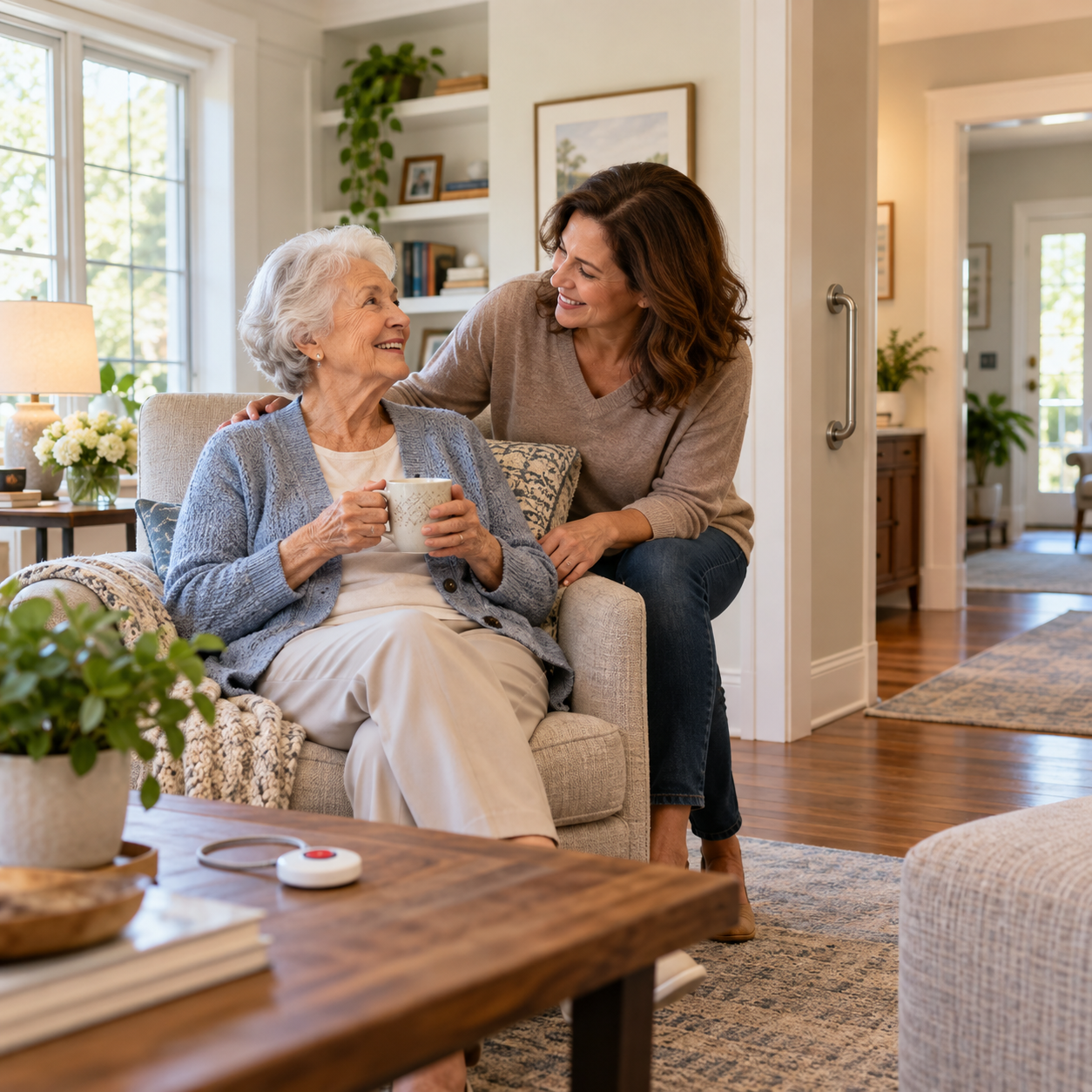
A medical alert system may be useful for some households, but its coverage, connectivity, fees, and response procedures should be evaluated before purchase. See our related alert-system guide.
Choose the right type of in-home help
Companion services can offer social contact and help with errands; personal care aides may assist with bathing, dressing, and daily routines. Skilled home health care, such as nursing or therapy, involves licensed professionals and may require a qualifying clinical plan. Dementia care can involve individualized routines, home adaptations, and trained support. Respite services allow regular caregivers time away.
Before hiring, clarify tasks, schedules, backup staffing, fees, supervision, background-screening practices, and how emergencies are handled. Verify licensing or certifications when applicable in your state. Make sure everyone understands which tasks require a licensed professional.
How to pay for safe at home senior care
Compare the total cost of hours of paid help, equipment, transportation, repairs, utilities, and possible overnight supervision. Medicare may cover certain medically necessary intermittent skilled home health services when eligibility criteria are met, but it generally does not pay for long-term custodial assistance alone. Medicaid home- and community-based services, veterans’ programs, long-term care insurance, and local assistance may help depending on eligibility and location. Confirm coverage directly before budgeting. Our home safety funding article is a useful starting point.
Build a reliable caregiving team
Share responsibilities among people who have agreed to help. Keep an updated contact list, medication list, appointment schedule, accessibility notes, and preferred emergency contacts. Ask permission before sharing sensitive health information. A designated coordinator can help track appointments and service-provider changes, while backup contacts prevent one caregiver from becoming the only point of support.
Protect mental well-being and independence
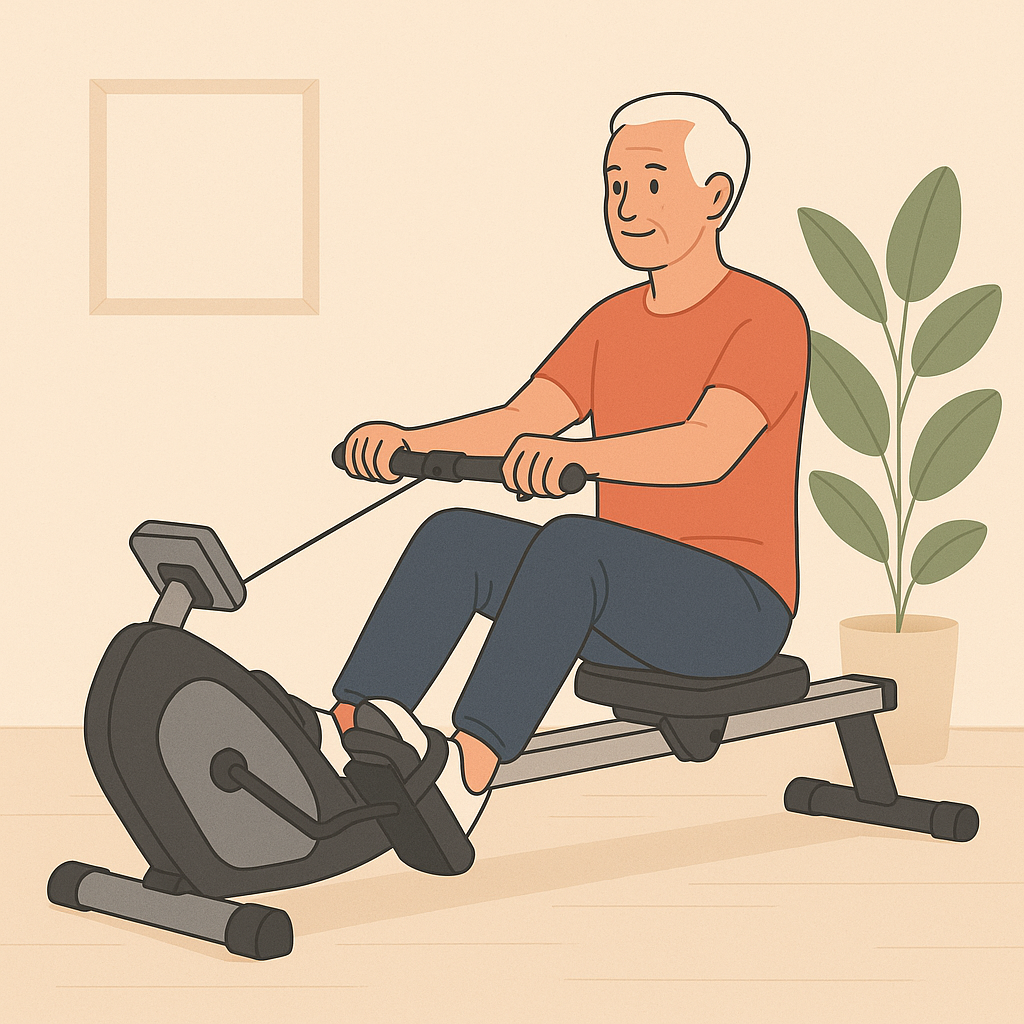
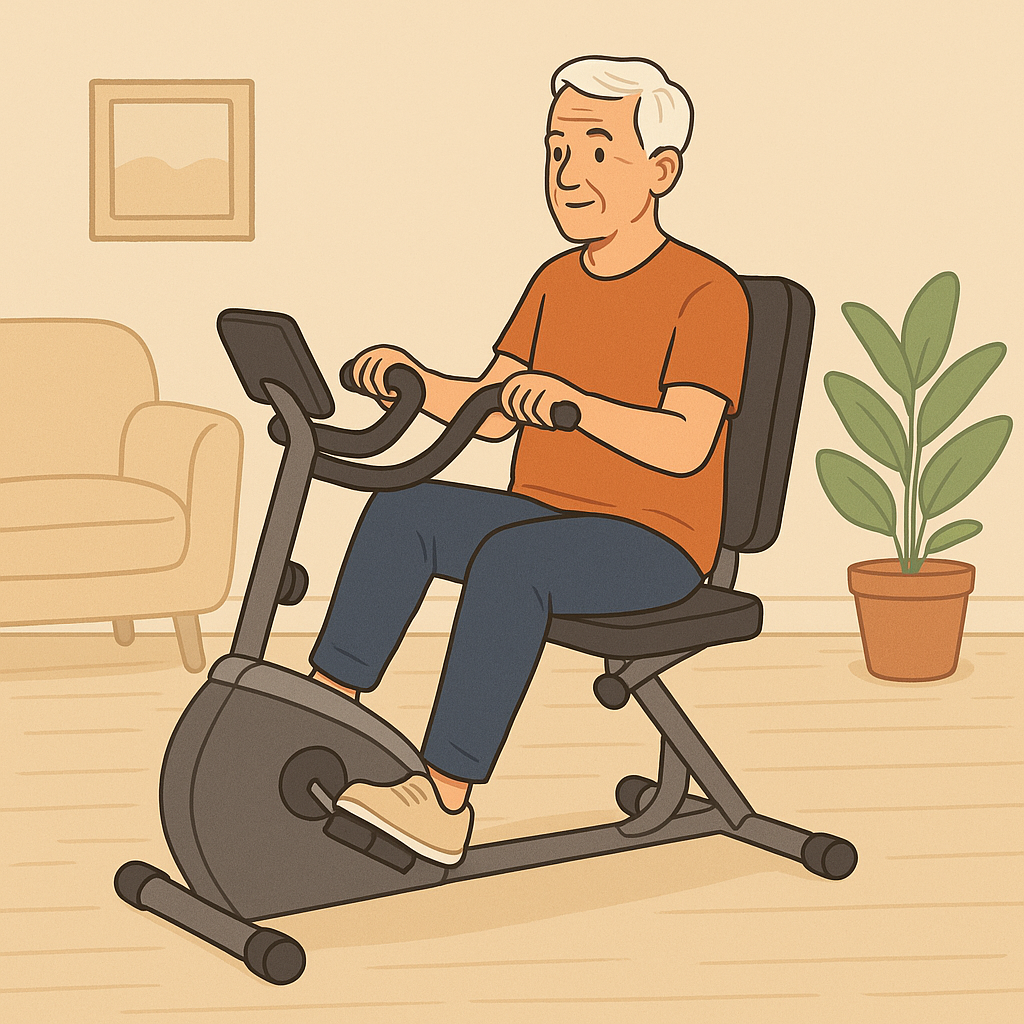
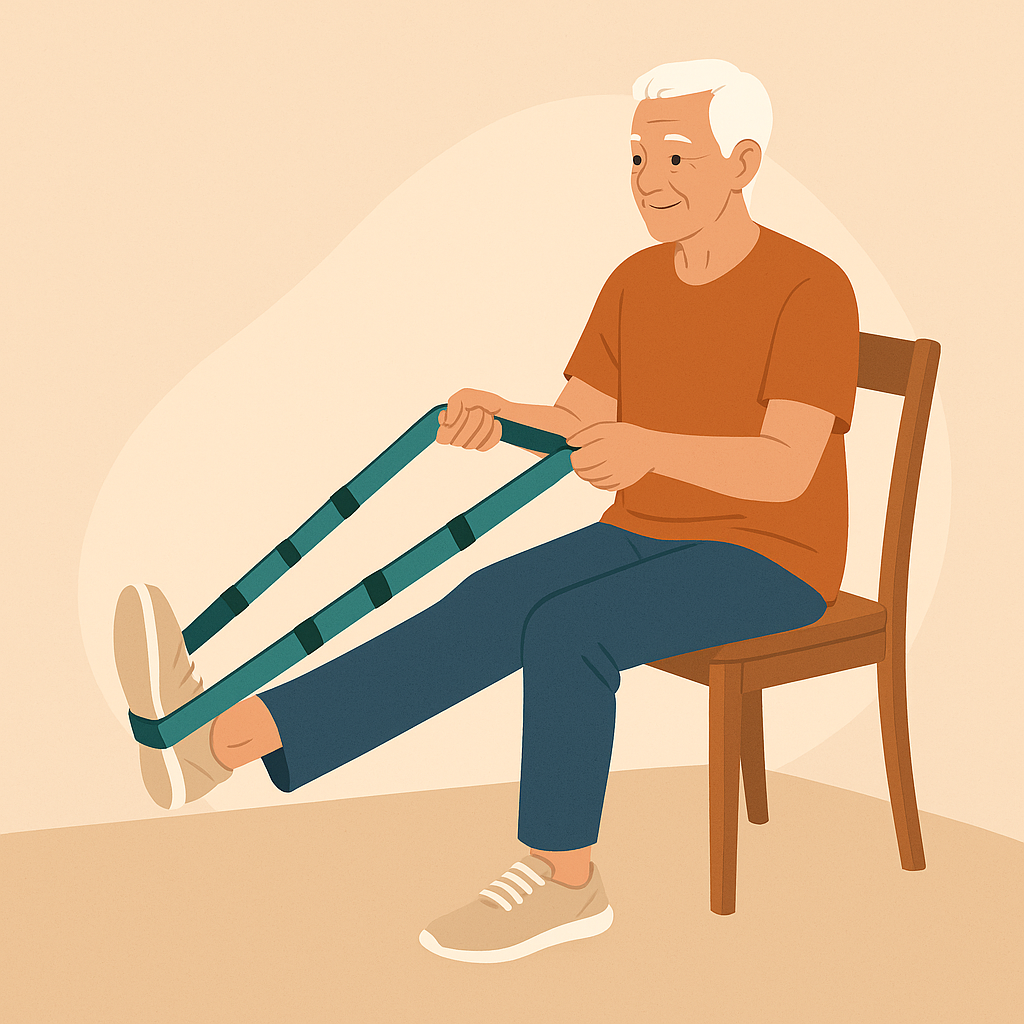
Social visits, favorite hobbies, accessible transport, and community involvement can improve quality of life. Invite the resident to choose routines, activities, and technologies they find comfortable. Video calling and monitoring tools should be optional and privacy-conscious wherever possible. Meaningful exercise and medication plans should reflect professional advice and the person’s abilities.
Know when the plan needs to change
Reassess after a fall, hospitalization, medication change, new mobility limitation, or repeated missed essential tasks. Consider whether nighttime assistance, additional professional care, home adaptations, or a different living arrangement would better meet current needs. A change in care level is not a failure: the goal is safety, choice, and sustainable support.
Safe at home senior care checklist
The resident’s wishes and daily support needs are documented.
Walking paths, stairs, bathrooms, and lighting have been reviewed.
Smoke and CO alarms work, with a realistic evacuation plan.
Medication management and medical contacts are up to date.
Caregiver schedules, responsibilities, and backups are agreed upon.
Care costs and eligibility for benefits have been checked.
The plan includes social contact and accessible transportation.
A date or event for reassessment has been identified.
Frequently asked questions
What is the difference between home care and home health care?
Nonmedical home care often includes companionship and assistance with personal or household activities. Home health care generally means medically oriented services such as qualifying nursing or therapy. Exact terminology and licensing rules differ by jurisdiction.
Does Medicare pay for an in-home caregiver?
Medicare can cover eligible skilled home health services under specific conditions. It generally does not cover ongoing personal or custodial care when that is the only assistance needed. Check Medicare’s current rules and the person’s plan.
What is the first home safety upgrade to make?
Start with the resident’s greatest practical risk. For many homes, clearing walking paths, improving lighting, checking alarms, and installing appropriate bathroom supports are useful first steps.
What if an older parent refuses help?
Begin by discussing what matters to them and offering limited, specific options rather than taking over decisions. If there is an immediate safety concern or significant change in decision-making ability, seek qualified clinical or legal guidance.
Conclusion
Safe at home senior care works best as a flexible partnership with the older adult, not a fixed product checklist. Combine a careful needs assessment, practical home improvements, appropriate services, financial planning, and regular conversations to support comfort and independence.
Trusted resources and editorial notes
National Institute on Aging — Aging in Place: https://www.nia.nih.gov/health/aging-place
Medicare — Home Health Services: https://www.medicare.gov/coverage/home-health-services
CDC — Older Adult Falls: https://www.cdc.gov/falls/